Prayagraj Magh Mela Tour Package Experience the Festival , Every year, as winter settles over northern India, millions of pilgrims converge on Prayagraj for one of the world’s most remarkable spiritual gatherings—the Magh Mela. Held during the Hindu month of Magh (January-February), this annual fair transforms the banks of the Sangam into a vast temporary city of faith, devotion, and ancient traditions.
While the Kumbh Mela captures global attention once every twelve years, the Magh Mela is an equally profound experience that happens annually, offering visitors a more accessible yet equally authentic glimpse into India’s living spiritual heritage. For an entire month, the confluence of the Ganges, Yamuna, and mythical Saraswati becomes home to saints, pilgrims, and seekers who camp along the riverbanks, taking daily holy dips and participating in centuries-old rituals.
This comprehensive guide will help you understand, plan, and experience the Magh Mela—a journey that promises to be transformative, enlightening, and unlike anything else you’ll encounter in your travels.
Understanding Magh Mela: History and Significance
Ancient Origins
Prayagraj Magh Mela Tour Package Experience the Festival , The tradition of gathering at Prayagraj during the month of Magh dates back thousands of years, rooted in Hindu scriptures and mythology. Ancient texts describe the confluence of the three rivers as Triveni Sangam, one of the holiest spots on Earth where bathing is believed to cleanse sins and grant spiritual merit.
The Magh Mela finds mention in various Hindu scriptures including the Puranas, which extol the virtues of bathing at the Sangam during this auspicious month. Historical records show that this gathering has been observed continuously for centuries, surviving invasions, political upheavals, and societal changes to remain a vibrant expression of Hindu faith.
Religious Importance
According to Hindu beliefs, bathing at the Sangam during Magh, especially on specific auspicious dates, purifies the soul and brings one closer to moksha (liberation from the cycle of birth and death). The month of Magh is considered particularly sacred because it’s believed that during this time, the gods themselves descend to bathe in the holy waters.
The Magh Mela isn’t just about a single dip in the river—many devotees camp at the Sangam for the entire month, taking daily holy baths. These dedicated pilgrims, called Kalpavasis, follow strict religious observances, sleep on the ground, eat simple food, and dedicate themselves to prayer and spiritual practices. Their commitment represents the highest form of devotion practiced at the Mela.
Magh Mela vs. Kumbh Mela
While both festivals occur at the same location, they differ in scale and frequency. The Kumbh Mela happens every twelve years (with an Ardh Kumbh every six years), attracting over 100 million visitors and garnering international attention. The Magh Mela, held annually, draws fewer crowds—though “fewer” still means millions of pilgrims—creating a more manageable yet equally authentic spiritual experience.
For travelers seeking the essence of the Kumbh experience without the overwhelming crowds, logistical challenges, and intense commercialization, the Magh Mela offers an excellent alternative. You’ll witness the same rituals, interact with the same sadhus and saints, and experience the same spiritual atmosphere, but with better accommodation availability and less chaos.
When to Visit: Important Dates and Timings
The Magh Month
The Magh Mela typically spans from mid-January to mid-February, corresponding to the Hindu month of Magh. The exact dates vary each year based on the lunar calendar, so check specific dates for your planned year of travel. The festival officially begins on Paush Purnima (full moon in December-January) and concludes on Magh Purnima (full moon in January-February).
Auspicious Bathing Dates (Shahi Snan)
While pilgrims bathe throughout the month, certain dates are considered especially auspicious:
Makar Sankranti: The first and most important bathing date, usually falling on January 14th or 15th. This marks the Sun’s transition into Capricorn and is considered highly auspicious. Millions gather for the holy dip on this day.
Mauni Amavasya: The new moon day during Magh, typically in late January or early February. This is considered the second most important bathing date, when observers maintain silence (maun) while bathing.
Basant Panchami: Celebrating the arrival of spring, this date sees large crowds and special celebrations. Usually falls in late January or early February.
Maghi Purnima: The full moon day marking the conclusion of the Magh Mela. This is the final major bathing date when pilgrims take their concluding holy dip before returning home.
Best Time During the Day
Early morning, before sunrise, is considered the most auspicious time for bathing. The atmosphere during pre-dawn hours is magical—mist rises from the cold river, priests chant mantras, and millions wade into the sacred waters as the sun breaks over the horizon. The spiritual energy during these early hours is palpable.
If early morning proves too challenging, mornings between 6 AM and 10 AM remain highly auspicious. Afternoons are less crowded but also less atmospheric. Evening visits offer the opportunity to witness the Ganga Aarti ceremonies that light up the ghats.
How Long to Stay
Most tourists visit for 2-4 days, which allows time to witness the main bathing rituals, explore the Mela grounds, interact with sadhus, attend spiritual discourses, and absorb the unique atmosphere. If visiting during a major bathing date like Makar Sankranti or Mauni Amavasya, plan to arrive at least one day before to settle in and witness the buildup.
Kalpavasis, the dedicated pilgrims, stay for the entire month or even longer, living in tents along the riverbanks. While this level of commitment isn’t necessary for tourists, spending at least three days provides a more complete experience than a quick day visit.
What to Expect: The Magh Mela Experience
The Mela Grounds
The Magh Mela grounds cover an enormous area along the riverbanks, transforming into a temporary city complete with roads, street lighting, water supply, electricity, sanitation facilities, hospitals, police stations, and fire services. The main areas include:
The Sangam: The actual confluence point where the three rivers meet, accessible by boat. This is the focal point of all bathing activities and the most sacred spot at the Mela.
The Akharas: Camps of various sects of sadhus and saints. Each akhara represents a different tradition within Hindu asceticism. Visiting these camps offers fascinating insights into various spiritual paths.
The Bathing Ghats: Designated areas with stepped platforms leading into the river where pilgrims take their holy dips. Different ghats serve different groups and organizations.
The Market Areas: Sections with vendors selling religious items, food, clothing, and souvenirs. These bustling markets capture the commercial side of the pilgrimage.
Cultural and Religious Pavilions: Areas where spiritual discourses, classical music performances, and cultural programs take place throughout the day and evening.
The Daily Rhythm
The Mela follows a distinct daily rhythm that begins before dawn. Around 3-4 AM, the grounds start coming to life as Kalpavasis and pilgrims prepare for their holy bath. By 5 AM, thousands are making their way to the bathing ghats, many carrying brass vessels for taking Ganga water home.
The period from sunrise until mid-morning sees the most intense bathing activity. Priests perform elaborate rituals on the ghats while pilgrims immerse themselves three times, facing the rising sun and chanting mantras. The atmosphere is charged with devotion—the sound of bells, conch shells, and chanting creates a powerful spiritual ambiance.
Mid-morning to afternoon, the focus shifts to spiritual activities. Sadhus hold court at their camps, giving darshan (blessings) to devotees. Spiritual discourses and religious lectures take place at various pavilions. Pilgrims visit temples, perform pujas, and explore the Mela grounds.
Evenings bring the spectacular Ganga Aarti ceremonies at major ghats. As darkness falls, thousands of oil lamps are lit, and priests perform synchronized rituals with enormous brass lamps. The sight of countless flames reflected in the river creates an unforgettable spectacle.
The Sadhus and Saints
One of the most fascinating aspects of Magh Mela is the opportunity to encounter and interact with India’s holy men. Various akharas (sects) of sadhus set up elaborate camps, each representing different spiritual traditions and practices.
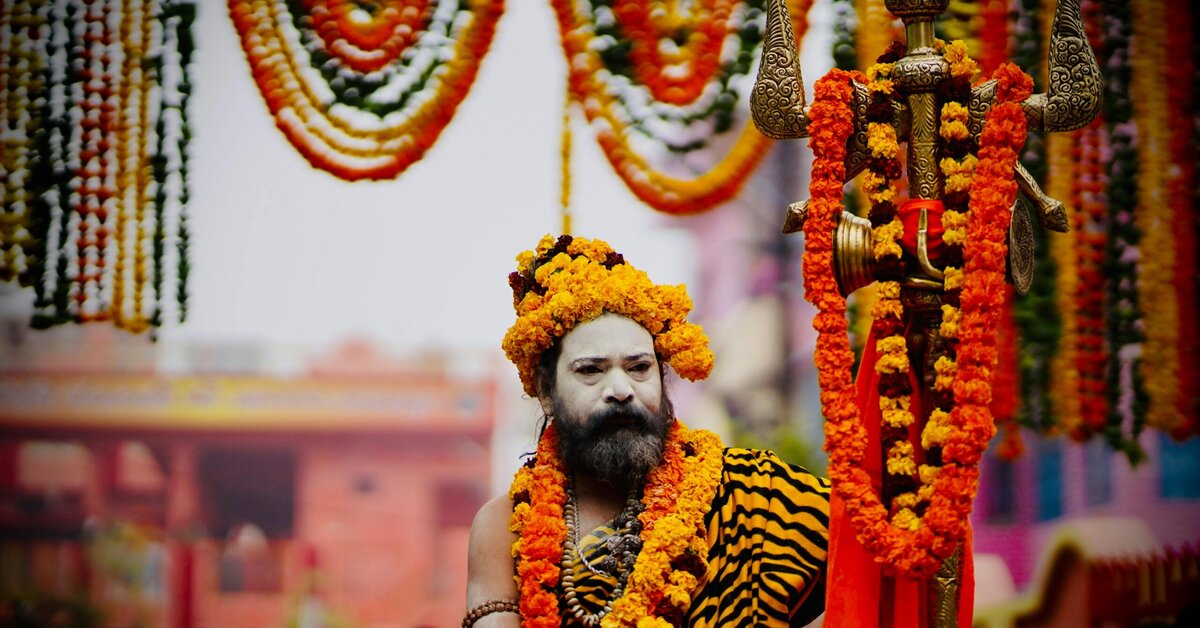
Naga Sadhus: The most visually striking, these ascetics remain naked except for ash smeared on their bodies, representing complete renunciation of worldly attachments. They carry tridents and lead the bathing processions during major dates.
Urdhwavahur Sadhus: Known for keeping their arms raised for years as a form of penance and devotion, these sadhus demonstrate extreme physical austerity.
Kalpavasis: Regular devotees who camp for the month, following strict religious observances and taking daily baths.
Scholarly Saints: Learned spiritual teachers who give discourses on Hindu philosophy, scriptures, and spiritual practices.
Approaching sadhus respectfully and with genuine interest often leads to profound conversations about spirituality, philosophy, and life. Many sadhus welcome questions and enjoy sharing their wisdom with sincere seekers. However, always ask permission before photographing, and offer a small donation (dakshina) if you engage deeply with their teachings.
Cultural Programs and Activities
Beyond religious rituals, the Magh Mela hosts numerous cultural programs. Classical music and dance performances by renowned artists take place in designated pavilions. Devotional singing (bhajan and kirtan) sessions happen throughout the Mela grounds, creating pockets of divine music.
Spiritual discourses by prominent religious leaders attract large audiences. These talks, often in Hindi but sometimes in English, cover topics from scriptural interpretation to practical spiritual guidance for modern life.
Traditional wrestling (kushti) demonstrations, folk performances, and religious plays (Ram Lila) add to the cultural richness. The entire Mela becomes a celebration of not just religion but Indian culture in its most traditional form.
Planning Your Magh Mela Visit
Getting There
From Lucknow: The most common starting point, Lucknow is well-connected to Prayagraj by train (2.5-4 hours) and road (3-4 hours). During Magh Mela, additional special trains run to accommodate pilgrims. Booking train tickets 2-3 weeks in advance is advisable.
By Air: Prayagraj Airport has limited connectivity, so flying to Lucknow and then traveling by road or rail to Prayagraj is more practical. Some special flights may operate during peak Mela dates.
By Road: Well-maintained national highways connect Prayagraj to major cities. However, traffic increases significantly during Magh Mela, especially on major bathing dates. Plan for longer travel times.
Local Transportation: Within Prayagraj, special buses shuttle between the city and Mela grounds. Auto-rickshaws, cycle-rickshaws, and e-rickshaws are available, though expect higher prices during peak times. Walking is often the fastest way to navigate the Mela grounds themselves.
Accommodation Options
Hotels in City: Hotels in Civil Lines and other parts of Prayagraj remain the most comfortable option. Book 1-2 months in advance for major bathing dates. Expect prices to be 50-100% higher than normal during peak periods.
Tent Accommodation at Mela: The government and private operators set up tent cities at the Mela grounds, offering accommodation ranging from basic to comfortable with attached bathrooms. These put you right in the heart of the action and are uniquely atmospheric.
Dharamshalas: Religious trusts operate numerous dharamshalas that fill quickly during Magh Mela. These offer very basic accommodation at minimal cost, primarily for pilgrims.
Kalpavasi Camps: Some operators offer packages that include staying in Kalpavasi-style tents for the full experience of living at the Mela like traditional pilgrims, though with somewhat better facilities.
What to Pack
Clothing: Modest, comfortable clothing suitable for cold weather. Mornings and evenings can be quite cold in January-February. Pack warm layers including:
- Several warm shirts and sweaters
- Warm jacket or shawl
- Comfortable pants or long skirts (avoid shorts)
- Extra set of clothes for after bathing
- Warm socks and comfortable walking shoes
- Flip-flops or sandals for bathing
Essentials:
- Waterproof bag for valuables during bathing
- Towel and toiletries
- Flashlight or headlamp for early morning visits
- Water bottle
- Sunscreen and hat for daytime
- Basic first-aid kit and personal medications
- Power bank for charging phones
- Cash in small denominations
Optional but Useful:
- Yoga mat or sitting mat
- Earplugs for better sleep
- Hand sanitizer and wet wipes
- Notebook for recording experiences
- Reusable shopping bag
Health and Safety Considerations
Water and Food: Only drink bottled or purified water. The Mela has designated areas with filtered water facilities. Be cautious with street food—choose busy vendors with fresh, hot food. Many visitors prefer eating at established dhabas or restaurants outside the Mela grounds.
Hygiene: Wash hands frequently, use hand sanitizer, and maintain personal hygiene. The Mela administration provides sanitation facilities, though they can be crowded during peak times.
Crowds: Major bathing dates see massive crowds. Stay alert, keep valuables secure, and avoid getting separated from your group. Designate meeting points in case you get separated.
Cold Weather: January-February can be surprisingly cold, especially during early morning bathing. Dress warmly in layers and dry off immediately after bathing to avoid catching a chill.
Medical Facilities: Temporary hospitals and first-aid stations operate throughout the Mela grounds. Keep emergency numbers handy and inform someone of any existing medical conditions.
River Safety: Only bathe in designated areas with proper footing. The river current can be strong, and the water is cold. Non-swimmers should be particularly cautious and consider staying in shallow areas.
The Bathing Ritual: A Step-by-Step Guide
Preparation
Before taking your holy dip, many pilgrims visit a barber for a ritual shave (mundan), though this is optional and primarily done by those taking a sacred vow or performing specific religious rites. Most visitors simply proceed directly to bathing.
Purchase a small brass vessel (lota) if you wish to take Ganga water home—vendors throughout the Mela grounds sell these. Many pilgrims also buy flowers, incense, and other puja items to offer to the river.
Change into simple clothing that you don’t mind getting wet. Many pilgrims wear basic cotton clothes. Women should ensure clothing remains modest when wet. Keep your dry clothes in a waterproof bag.
The Bathing Process
Approach the designated bathing ghat and remove your footwear before stepping onto the steps. Many pilgrims enter the water slowly, acclimatizing to the cold temperature. Traditional practice involves:
- Sankalp: Making a mental resolve or wish while entering the water
- Three Dips: Immersing yourself completely three times while chanting mantras or prayers
- Offering: Releasing flowers, incense, or small diyas (lamps) into the water as offerings
- Facing East: Facing the rising sun during morning bathing is considered especially auspicious
- Collection: Filling your vessel with Ganga water to take home
The entire process is highly personal. Some pilgrims spend just a few minutes in the water while others remain for extended periods, meditating or praying. There’s no wrong way to experience it—follow your own pace and comfort level.
After Bathing
Exit the water carefully, as the steps can be slippery. Change into dry clothes quickly to avoid catching cold. Many pilgrims then proceed to offer prayers at nearby temples or sit in meditation on the ghats.
The Ganga water you’ve collected is considered sacred and is typically kept at home altars, used in daily worship, or given to elderly relatives who couldn’t make the pilgrimage. Handle it respectfully and keep it covered during transport.
Beyond Bathing: Other Experiences at Magh Mela
Boat Rides to Sangam
Taking a boat to the exact confluence point offers a unique perspective on the Mela and allows you to see where the rivers actually meet. Local boatmen offer these rides throughout the day, with early morning being most atmospheric when mist rises from the water.
The boat ride typically takes 30-45 minutes, including time at the confluence for bathing or prayers. Negotiate prices beforehand—expect to pay ₹100-300 per person depending on whether it’s shared or private. Many pilgrims prefer this method for reaching the most sacred bathing spot.
Visiting Akhara Camps
Walking through the various akhara camps provides fascinating insights into different spiritual traditions. Each akhara has its own character, practices, and atmosphere. Some are austere and meditative, while others are livelier with continuous devotional singing.
Sadhus generally welcome respectful visitors. Remove your shoes before entering, dress modestly, and approach with humility. Many sadhus enjoy sharing their philosophy and spiritual practices with genuine seekers. If invited to sit for tea or conversation, consider it a privilege.
Photography is acceptable in most areas but always ask permission, especially when photographing sadhus directly. Offering a small donation (₹20-50) is appropriate if you photograph someone or receive spiritual guidance.
Attending Spiritual Discourses
Prominent spiritual leaders and scholars give discourses (pravachan) at various pavilions throughout the Mela. These talks, ranging from 30 minutes to several hours, cover topics from scriptural interpretation to practical spiritual advice for modern life.
While most discourses are in Hindi, some English language programs are organized, especially for international visitors. Check the Mela’s official schedule or ask at your hotel about English discourse timings. Even without understanding Hindi, attending these gatherings offers insights into Indian devotional culture.
Exploring the Markets
The Mela’s market sections offer everything from religious items and rudraksha beads to handicrafts and traditional clothing. Shopping here is an experience in itself, with vendors calling out to passersby and the air filled with incense smoke.
Popular purchases include brass idols, religious texts, prayer beads, traditional clothing, ayurvedic products, and handicrafts. Bargaining is expected and part of the experience. Start at 50% of the asking price and negotiate from there.
Cultural Performances
Evening cultural programs showcase classical Indian music and dance. Renowned artists perform at designated stages, attracting large, appreciative audiences. These performances, usually free, range from classical Hindustani music to folk dances to devotional singing.
The combination of traditional art forms in this deeply spiritual setting creates memorable experiences. Arrive early for good seating, and be prepared for enthusiastic crowds who may sing along during devotional performances.
Food Experiences
The Mela offers numerous food options, from simple langar (free community meals served by religious organizations) to street vendors selling local specialties. Trying the food is part of the cultural experience, though choose carefully for hygiene.
Langar halls serve simple vegetarian meals free of charge to anyone, embodying the principle of selfless service. Participating in langar—both eating and sometimes serving—connects you to this beautiful tradition of community and sharing.
Street food includes hot jalebis, samosas, kachoris, chai, and various traditional sweets. The cold weather makes hot food especially appealing. Stick to freshly cooked items and avoid raw salads or cut fruits.
Responsible and Respectful Tourism
Cultural Sensitivity
The Magh Mela is fundamentally a religious gathering, not a tourist attraction. Approach it with respect for the beliefs and practices of pilgrims. Dress modestly—covered shoulders and knees are essential. Avoid public displays of affection, loud conversations, or behavior that might be seen as disrespectful.
Be mindful when photographing. While the Mela is visually spectacular, remember you’re photographing people’s private spiritual moments. Always ask permission before taking close-up photographs of individuals, especially during bathing rituals or prayer.
Environmental Responsibility
The Mela generates enormous amounts of waste, and the sacred rivers face significant pollution challenges. As a visitor, you can minimize your impact:
- Use biodegradable offerings (flowers, leaves) rather than plastic or synthetic materials
- Dispose of trash properly in designated bins
- Avoid throwing anything into the river except traditional biodegradable offerings
- Use minimal plastic—carry a reusable water bottle and shopping bag
- Participate in or support cleanup initiatives if available
Supporting Local Communities
Your spending at the Mela supports countless local vendors, boatmen, and service providers who depend on this annual event. Choose to purchase from small vendors rather than large commercial operations when possible. Pay fair prices rather than bargaining too aggressively with small vendors struggling to make a livelihood.
Consider purchasing authentic handicrafts and religious items as souvenirs rather than mass-produced goods. This supports traditional artisans and helps preserve cultural heritage.
Interaction with Sadhus and Pilgrims
While many sadhus and pilgrims welcome interaction with visitors, some prefer solitude for meditation and spiritual practices. Be observant and respectful of people’s boundaries. If someone doesn’t wish to be photographed or engaged in conversation, respect that choice gracefully.
When receiving blessings or spiritual guidance, offering a small donation (dakshina) is traditional and appropriate. Typical amounts range from ₹20-100 depending on the interaction and your means. This isn’t payment for services but rather a traditional expression of respect and gratitude.
Combining Magh Mela with Other Attractions
Prayagraj City Attractions
While in Prayagraj for Magh Mela, dedicate at least one day to exploring the city’s historical and cultural attractions:
Allahabad Fort: Built by Emperor Akbar, this impressive fort houses the sacred Akshayavat tree and Patalpuri Temple.
Anand Bhawan: The ancestral home of the Nehru family, now a museum chronicling India’s independence movement.
Khusro Bagh: Beautiful Mughal garden complex with intricate sandstone tombs.
Hanuman Mandir: Unique temple with a reclining Hanuman statue.
All Saints Cathedral: Stunning Gothic architecture from the colonial era.
Day Trips from Prayagraj
Chitrakoot (130 km): A sacred town associated with Lord Rama’s exile, featuring beautiful temples and natural scenery.
Varanasi (130 km): While requiring a full day, visiting the ancient spiritual capital offers another perspective on India’s religious heritage.
Kalinjar Fort (175 km): Historic hill fort with impressive architecture and panoramic views.
Extended Spiritual Journey
Consider extending your journey to create a comprehensive spiritual tour:
- Ayodhya (166 km): The birthplace of Lord Rama, undergoing major temple development.
- Vindhyachal (80 km): Important Shakti Peeth with the Vindhyavasini Devi temple.
- Bodhgaya (253 km): Where Buddha attained enlightenment (requires overnight stay).
Tour Package Options
Budget Magh Mela Package (2 Days/1 Night)
Inclusions:
- Train travel from Lucknow to Prayagraj (both ways)
- Basic hotel accommodation in Prayagraj
- Guided tour of Magh Mela grounds
- Boat ride to Sangam
- Breakfast and dinner
- Local transportation
Approximate Cost: ₹3,000-5,000 per person
Standard Magh Mela Package (3 Days/2 Nights)
Inclusions:
- Train/car travel from Lucknow (both ways)
- Mid-range hotel accommodation
- Daily guided Mela visits
- Boat ride to Sangam
- Visit to Prayagraj attractions (Fort, Anand Bhawan)
- All meals
- Local transportation and entry fees
Approximate Cost: ₹7,000-12,000 per person
Deluxe Spiritual Experience Package (4 Days/3 Nights)
Inclusions:
- Private car from Lucknow
- Luxury hotel accommodation
- Expert spiritual guide throughout stay
- Multiple Mela visits including major bathing date
- Private boat to Sangam
- Meetings with spiritual leaders
- Comprehensive city sightseeing
- All meals including special dinners
- Cultural evening programs
- Spa treatments
Approximate Cost: ₹18,000-30,000 per person
Customized Packages
Many tour operators offer customized packages based on your specific interests, whether that’s in-depth spiritual learning, photography, cultural immersion, or combining the Mela with other destinations. Contact operators directly to create an itinerary matching your preferences and budget.
Tips for an Enriching Experience
Embrace the Experience Fully
The Magh Mela isn’t just about witnessing rituals—it’s about immersion in a completely different way of life. Wake before dawn, take the cold dip despite discomfort, sit with sadhus even if you don’t fully understand, and participate in rituals even if they’re unfamiliar. The depth of your experience corresponds to your level of engagement.
Keep an Open Mind
You’ll encounter beliefs, practices, and ways of living that may challenge your assumptions. Approach everything with curiosity rather than judgment. The Mela offers a window into how millions of people find meaning, purpose, and connection through faith and tradition.
Document Thoughtfully
While capturing memories is natural, don’t let photography interfere with genuine experience. Put the camera down sometimes and simply absorb the atmosphere. When you do photograph, do so respectfully and be present in the moment rather than viewing everything through a screen.
Connect with People
Some of your most memorable moments will come from conversations with fellow pilgrims, sadhus, and locals. Ask questions, share your own background, and listen to people’s stories. The human connections you make can be as meaningful as the spectacular sights.
Take Care of Yourself
The Magh Mela can be physically and mentally intense—crowds, cold weather, unfamiliar food, early mornings, and sensory overload. Build in rest time, stay hydrated, eat properly, and don’t push yourself beyond your limits. It’s okay to retreat to your accommodation for breaks.
Extend Your Stay
If possible, stay longer than the minimum. The Mela reveals itself gradually—the longer you’re there, the more you notice, understand, and appreciate. The pace slows down, you become familiar with the layout, and the experience deepens from tourism to genuine participation.
Conclusion: A Journey of Transformation
The Magh Mela is more than a festival—it’s a portal into the soul of India’s spiritual heritage. Here, ancient traditions continue unchanged, millions express their faith through simple acts of devotion, and seekers from all walks of life gather in common purpose. The experience challenges, inspires, and often transforms those who approach it with openness.
Whether you’re drawn by religious interest, cultural curiosity, photographic opportunities, or simply the desire to witness something extraordinary, the Magh Mela offers rewards beyond expectation. The sight of countless pilgrims bathing in pre-dawn darkness, the profound simplicity of sadhus who’ve renounced all worldly possessions, the sound of devotional songs echoing across the river—these moments stay with you long after you leave.
As you plan your Magh Mela journey, remember that the best experiences often come from embracing uncertainty, remaining flexible, and allowing the festival to unfold naturally rather than trying to control every aspect. Come with respect, curiosity, and an open heart, and the Magh Mela will gift you memories and insights that last a lifetime.
FAQ
What is Magh Mela?
Magh Mela is an annual Hindu festival held at the Triveni Sangam in Prayagraj, where devotees gather to take a holy dip in the sacred rivers Ganga, Yamuna, and Saraswati.
When is Magh Mela 2026?
Magh Mela 2026 will begin on January 3, 2026, and end on February 15, 2026
What are the important bathing dates?.
The key bathing days are Paush Purnima (January 3), Makar Sankranti (January 14), Mauni Amavasya (January 18), Basant Panchami (January 23), Maghi Purnima (February 1), and Maha Shivratri (February 15)
How to reach Prayagraj for Magh Mela?
Prayagraj is well-connected by road, rail, and air. You can fly into Prayagraj Airport, take a train to Prayagraj Junction, or arrive by road via National Highways from Lucknow, Kanpur, or Varanasi
What facilities are available at Magh Mela?
The Mela offers clean camps, safe drinking water, medical aid, sanitation, and guided areas for pilgrims. Accommodation options range from luxury tents to budget camps and dharamshalas